
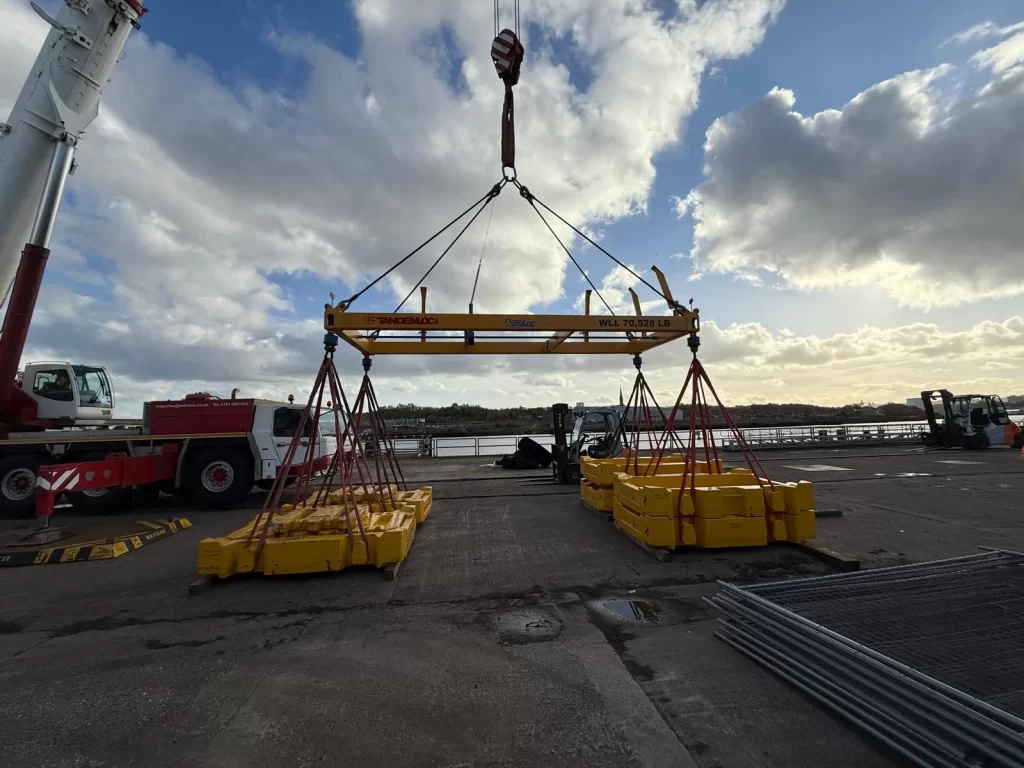
Proof load testing is a critical method used to verify the strength, safety, suitability, and structural integrity
of lifting equipment, load -bearing structures, and their installations.
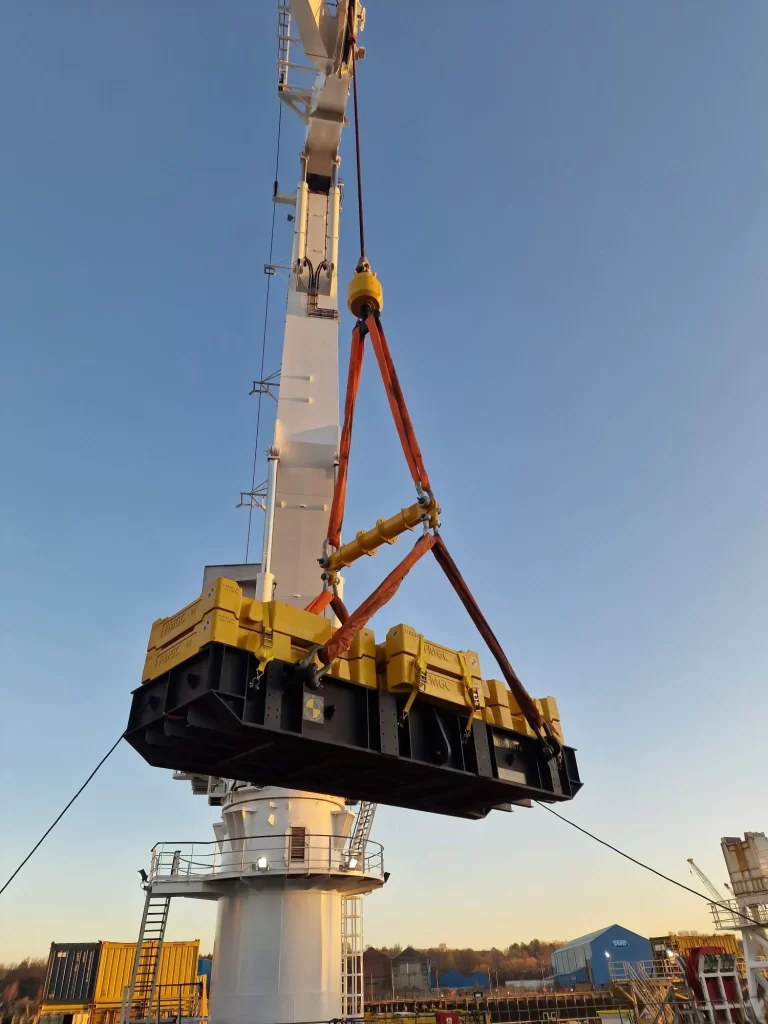
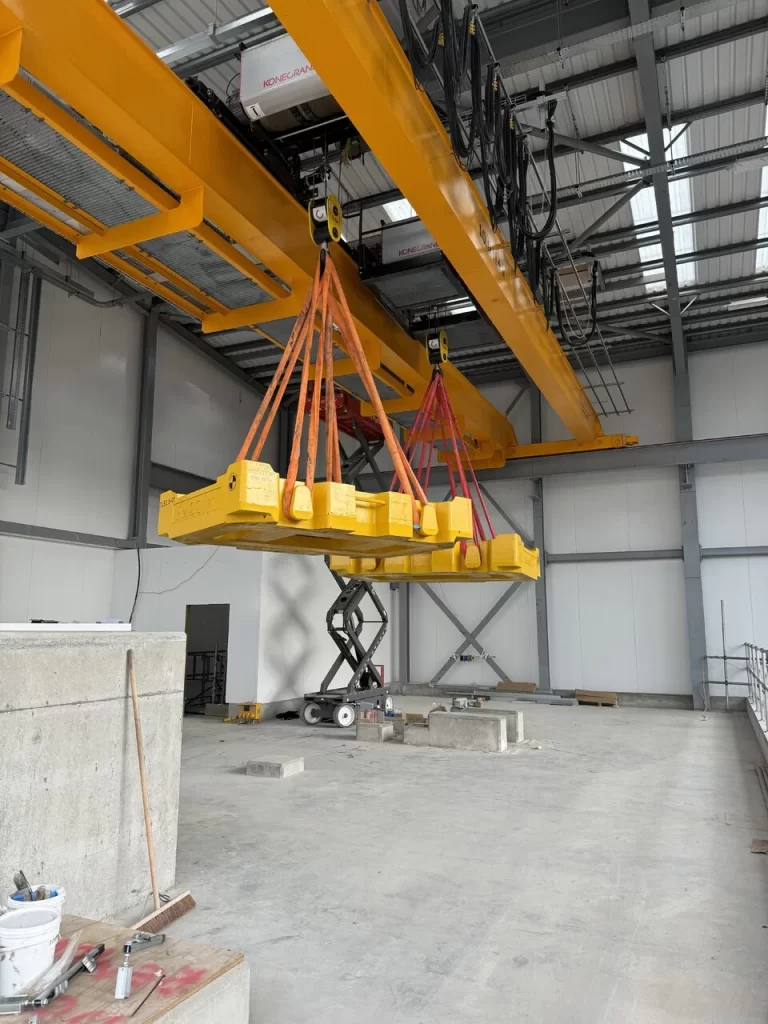
During a proof load test, equipment is subjected to a controlled load that exceeds its normal Safe Working Load (SWL), Working Load Limit (WLL) or anticipated operational load. This process helps demonstrate that the equipment can safely perform
under demanding conditions and meet applicable standards and design requirements.
When Is Proof Load Testing Required?
Proof load testing is commonly carried out before lifting equipment or load -bearing structures are put into service for the first time. It forms part of a wider verification and quality assurance process, which may also include:
- Non -destructive testing (NDT)
- Weld inspections and verification
- Functional and operational testing
- Detailed visual examinations
The requirement for proof load testing may arise from several sources, including:
- Machinery safety legislation – Manufacturers, designers, and suppliers of lifting equipment are often required to demonstrate compliance with applicable safety regulations and recognised standards, many of which specify proof load testing.
- Industry standards – Various ISO, BS, and EN standards relating to lifting equipment and structural systems include proof load testing as part of their verification requirements.
- Design specifications – Equipment designers may specify proof load testing to validate design assumptions and performance.
- Customer requirements – Clients and end users may require proof load testing as part of project specifications or acceptance criteria.
- Health and safety obligations – Employers, manufacturers, and installers have a responsibility to ensure equipment is safe for its intended use, and proof load testing provides documented evidence of its capability.
Proof Load Testing and LOLER
A proof load test may also be recommended by a competent person during a Thorough Examination under the Lifting Operations and Lifting Equipment Regulations (LOLER). While not always mandatory, testing is often considered appropriate in situations such as:
- Before equipment is used for the first time
- Following significant repairs or modifications
- After installation or relocation
- When there is uncertainty regarding the equipment’s load -bearing capability.
The decision to carry out a proof load test under LOLER will depend on the specific circumstances and the professional judgement of the competent person conducting the examination.
Enquire about test weights hire
Tell us your required load, the equipment to be tested, your site location and preferred hire dates and we will come back to you with availability and a quotation.
Call us on 0191 432 9343, email hire@test-weights.co.uk or complete our enquiry form.